


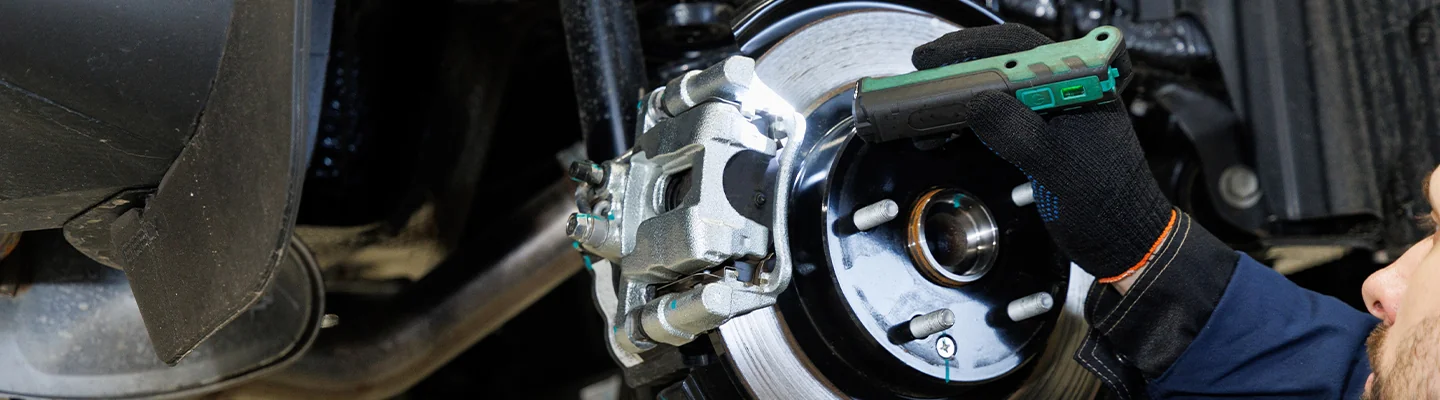
Brake Repair & Replacement for Your Toyota in Huntsville, AL
Your Toyota’s braking system is one of the most important safety features on the road, yet it’s often overlooked until something feels wrong. Drivers in Huntsville, Decatur, and Athens rely on their vehicles daily, whether commuting, running errands, or traveling longer distances across North Alabama. Understanding when your Toyota needs brake repair or replacement can help prevent costly damage and protect everyone in your vehicle. At Bill Penney Toyota, we help drivers recognize warning signs early and provide expert brake service designed specifically for Toyota vehicles.
When Does Your Toyota Need Brake Service?
Brake repair or replacement is typically needed when components wear down due to normal driving conditions. Common indicators include squealing or grinding noises, vibration while braking, a soft or spongy brake pedal, or longer stopping distances.
Most Toyota brake pads wear gradually and need replacement at intervals depending on driving habits, traffic conditions, and vehicle type. Brake rotors, calipers, and brake fluid also require periodic inspection and service to maintain proper braking performance.
Routine brake inspections are the best way to identify issues early. Addressing brake concerns promptly helps maintain stopping power, protects other components, and ensures safe driving conditions throughout Huntsville and surrounding areas.
How Toyota Brake Systems Work and Why Service Matters
How Brake Pads and Rotors Wear Over Time
Brake pads are designed to wear down as they create friction against the rotors to slow your vehicle. Over time, this friction reduces pad thickness.
Rotors can also wear or warp due to heat buildup, uneven pad wear, or prolonged use with worn brake pads.
Why Ignoring Brake Warning Signs Is Risky
Squealing or grinding noises often indicate worn brake pads. Ignoring these sounds can lead to rotor damage, increasing repair costs.
A vibrating steering wheel or brake pedal may signal warped rotors, while a soft pedal can indicate fluid issues or air in the brake lines.
How Brake Fluid Affects Performance
Brake fluid transfers pressure from the pedal to the braking system. Over time, fluid can absorb moisture, reducing braking efficiency.
Regular brake fluid inspections and replacements help maintain consistent stopping power.
Why Toyota-Specific Brake Service Is Important
Toyota braking systems are engineered with specific tolerances and components. Using manufacturer-approved parts ensures proper fit, performance, and longevity.
Generic or mismatched components may affect braking efficiency and wear unevenly.
How Driving Conditions in North Alabama Impact Brakes
Stop-and-go traffic, hilly terrain, and frequent short trips can accelerate brake wear. Heat and humidity can also affect braking components over time.
Local driving conditions in Huntsville, Decatur, and Athens make regular brake inspections especially important.
Why Preventive Brake Inspections Save Money
Catching worn pads early can prevent rotor damage. Preventive service typically costs less than repairing multiple damaged components.
Regular inspections allow technicians to recommend service at the right time, not too early or too late.
How Certified Technicians Diagnose Brake Issues
Brake inspections include measuring pad thickness, checking rotor condition, evaluating calipers, inspecting brake lines, and testing fluid condition.
Accurate diagnosis ensures the right repairs are made without unnecessary part replacement.
Examples of Brake Repair and Replacement Scenarios
- Normal Brake Pad Replacement - Pads wear down evenly over time and are replaced before rotors are affected.
- Brake Rotor Resurfacing or Replacement - Rotors show signs of warping or uneven wear and require service to restore smooth braking.
- Brake Fluid Service - Fluid testing reveals moisture contamination, prompting a fluid flush to restore performance.
- Complete Brake System Repair - Multiple components require attention due to delayed service, emphasizing the value of early inspections.
Expert Tips for Maintaining Your Toyota’s Brakes
Schedule brake inspections at regular service intervals.
Listen for unusual noises when braking.
Pay attention to changes in pedal feel or stopping distance.
Avoid riding the brakes in traffic or on hills.
Have brake fluid checked periodically.
Address dashboard warning lights promptly.
Use manufacturer-approved brake components.
Rotate tires regularly to support even braking.
Avoid delaying recommended brake service.
Choose a service center familiar with Toyota systems.
Frequently Asked Questions About Toyota Brake Service
Take a look at some of our frequently asked questions:
How often should I replace my Toyota’s brake pads?
Brake pad life varies, but inspections help determine the right replacement time.
Do brakes wear faster in city driving?
Yes, frequent stopping accelerates brake wear compared to highway driving.
Can I drive with squealing brakes?
Squealing often indicates worn pads and should be inspected promptly.
Is brake fluid really necessary to replace?
Yes, contaminated fluid can reduce braking effectiveness.
Should I replace pads and rotors at the same time?
Not always, but rotors should be inspected whenever pads are replaced.
Final Thoughts for Toyota Drivers in Huntsville, AL
Brake repair and replacement are essential to maintaining safety, performance, and confidence behind the wheel. Recognizing early warning signs and scheduling routine inspections can prevent costly repairs and ensure your Toyota stops reliably when it matters most. At Bill Penney Toyota, we proudly serve drivers from Huntsville, Decatur, and Athens with expert brake service designed specifically for Toyota vehicles.
If your Toyota needs a brake inspection, repair, or replacement, Bill Penney Toyota is here to help you drive with confidence and peace of mind every mile of the way.